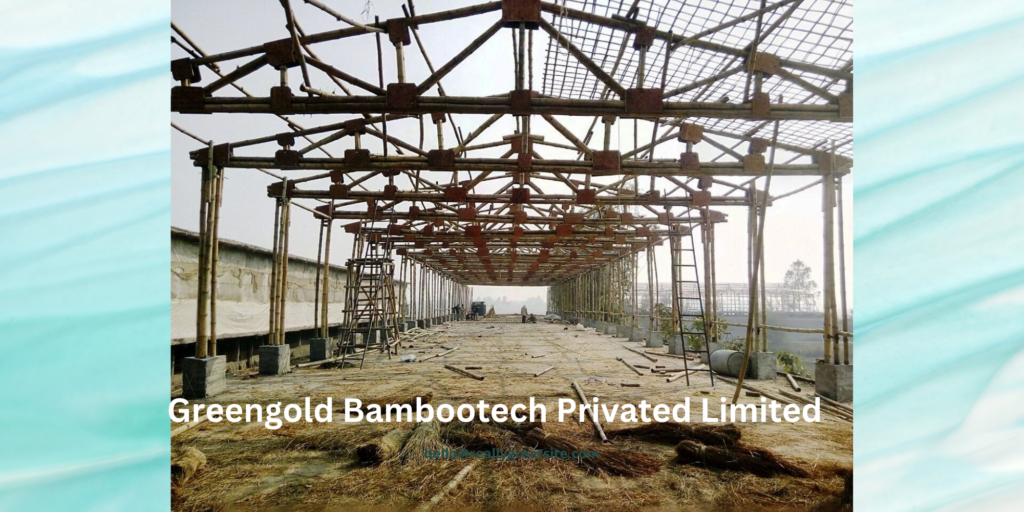
There are several reasons why bamboo is a popular choice for various applications, including construction. Here are some key reasons why bamboo is favored:
Sustainability: Bamboo is a highly sustainable resource. It is a type of grass that grows rapidly and can reach maturity within 3 to 5 years, making it a rapidly renewable material. It can be harvested without killing the plant, as it regenerates from its underground rhizome system. Bamboo also requires minimal water and no pesticides or fertilizers to grow, reducing its environmental impact.
Strength and Durability: Bamboo has an excellent strength-to-weight ratio and can rival the strength of steel in some cases. It has a high tensile strength, making it suitable for load-bearing structures. Properly treated and engineered bamboo can be durable and long-lasting, capable of withstanding various weather conditions and natural elements.
Flexibility and Versatility: Bamboo is a flexible and versatile material that can be used for a wide range of applications. It can be shaped, bent, and joined to create various structural elements such as beams, columns, and trusses. Bamboo can also be used for flooring, walls, roofing, furniture, and decorative elements, offering design versatility.
Carbon Sequestration: Bamboo has the ability to absorb large amounts of carbon dioxide (CO2) from the atmosphere during its rapid growth. This makes it an effective tool in combating climate change and reducing greenhouse gas emissions. Mature bamboo forests can sequester more carbon compared to other types of forests.
Low Energy Consumption: The processing and manufacturing of bamboo into construction materials require significantly less energy compared to traditional materials like steel or concrete. This lower energy consumption contributes to reducing the carbon footprint associated with construction.
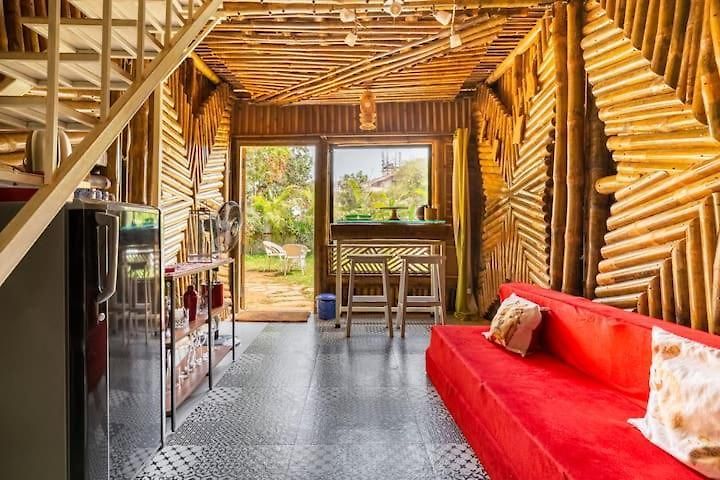
Cultural and Aesthetic Value: Bamboo has a rich cultural heritage, particularly in Asian countries where it has been used for centuries in architecture and everyday life. It offers a natural, warm, and aesthetically pleasing look that can add a unique character and beauty to architectural designs. That’s why bamboo is a better option for eco-tourism and Aesthetic structures
It’s important to note that while bamboo offers numerous advantages, proper treatment, processing, and design considerations are crucial to ensure its durability, structural integrity, and resistance to pests and moisture. Consulting with experts in bamboo construction is advisable to ensure the best practices are followed for each specific project.
Why we should use bamboo as a construction material
1.Bamboo construction techniques
Bamboo has been used as a building material for centuries due to its strength, flexibility, and sustainability. It is widely available in many parts of the world and offers an alternative to traditional construction materials like wood or concrete. Here are some common bamboo construction techniques:
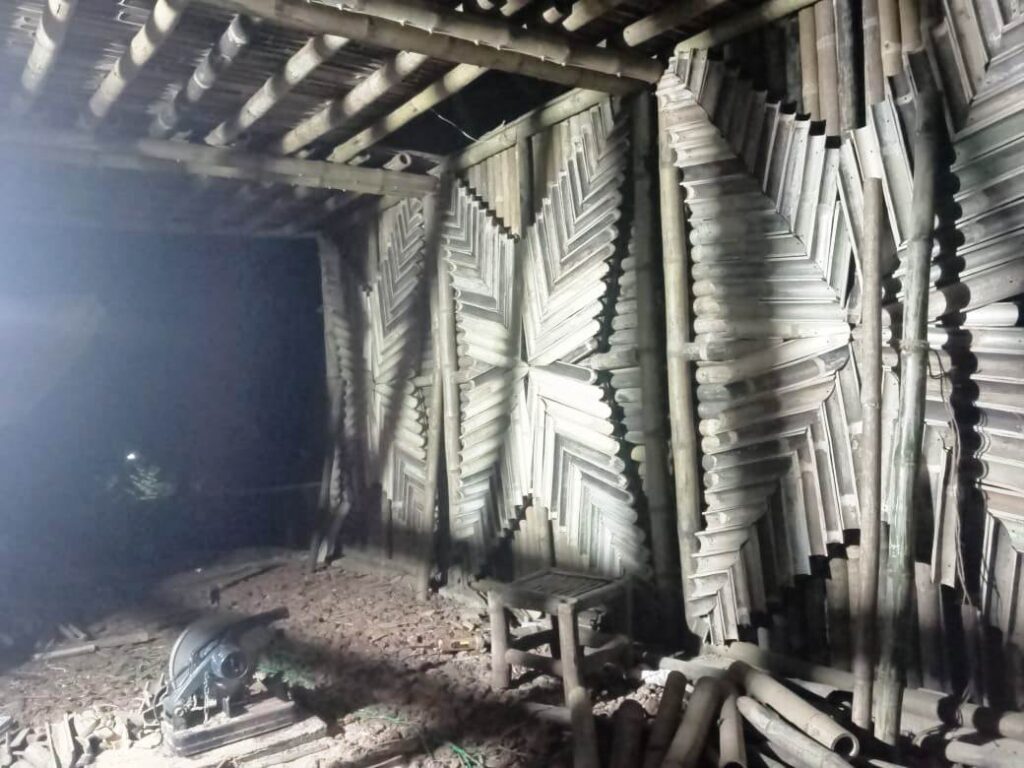
Bamboo Framing: Bamboo can be used as a structural element in building frames. It can be split into thin strips, called splints, which are then tied or lashed together to form columns, beams, and trusses. Bamboo frames can be used for various types of structures, including houses, bridges, and pavilions.
Bamboo Matting: Bamboo mats are created by weaving together strips of bamboo. These mats can be used as wall panels, flooring, or roofing materials. Bamboo mats provide insulation and can be used as a substitute for conventional materials like plywood or drywall.
Bamboo Reinforcement: Bamboo can be used as reinforcement in concrete structures. Bamboo strips or rods are inserted into the concrete to enhance its tensile strength. This technique is particularly useful in earthquake-prone areas where the flexibility of bamboo can help withstand seismic forces.
Bamboo Plywood: Bamboo plywood is made by gluing together multiple layers of bamboo strips, creating a strong and durable material. It can be used for wall paneling, flooring, furniture, and other interior applications. Bamboo plywood is an eco-friendly alternative to traditional plywood made from hardwood trees.
Bamboo Joinery: Bamboo can be joined together using various techniques such as lashing, doweling, or using bamboo nails. These joinery methods allow for the construction of sturdy and stable structures without the need for metal fasteners or adhesives.
Bamboo Thatching: Bamboo can be used for roofing by laying bamboo stalks side by side and securing them to a frame. This technique is commonly used in tropical regions and provides good ventilation while protecting against rain and sun.
Bamboo Composite Materials: Bamboo fibers can be combined with resin or other binders to create composite materials. These materials can be molded into various shapes and used for construction purposes, such as wall panels, furniture, or decorative elements.
It’s important to note that the specific techniques used in bamboo construction may vary depending on the region and cultural traditions. Additionally, proper treatment and maintenance of bamboo are crucial to ensure its longevity and resistance to pests and decay.
“Bamboo construction techniques”
“Advantages of bamboo in construction”
“Bamboo as a sustainable building material”
“Bamboo house construction”
“Bamboo building design”
“Bamboo structures and architecture”
“Bamboo flooring in construction”
“Bamboo construction companies”
“Bamboo scaffolding”
“Bamboo treatment and preservation methods”
2. Advantages of bamboo in construction
Certainly! Here are some additional advantages of using bamboo in construction:
Rapid Growth: Bamboo is known for its rapid growth rate, with some species capable of growing up to 1 meter (3.3 feet) per day. This makes it a highly renewable resource that can be harvested and replenished quickly, unlike traditional timber.
Low Environmental Impact: Bamboo cultivation and harvesting have a significantly lower environmental impact compared to other construction materials. It requires minimal water, pesticides, and fertilizers to grow, reducing the strain on ecosystems and water resources.
Reduced Energy Consumption: The production of bamboo-based construction materials requires less energy compared to the manufacturing processes of steel, concrete, or other building materials. This leads to a lower carbon footprint and less energy consumption throughout the lifecycle of the material.
Fire Resistance: Bamboo possesses natural fire-resistant properties, making it a safer option in construction. It has a higher ignition point and burns more slowly than many other materials. Additionally, some bamboo species have a higher resistance to flame spread.
Pest and Mold Resistance: Bamboo contains natural resins and fibers that make it resistant to pests, insects, and molds. This reduces the need for chemical treatments or preservatives, making it a healthier and more environmentally friendly choice.
Versatility: Bamboo can be used in a wide range of construction applications, including structural elements, flooring, walls, roofs, furniture, and decorative features. Its versatility allows for creative and innovative designs in various architectural styles.
High Strength-to-Weight Ratio: Bamboo exhibits impressive strength despite its lightweight nature. This makes it suitable for constructing tall buildings, bridges, and other structures where weight is a consideration. It also simplifies transportation and installation processes.
Local Economic Development: Bamboo cultivation and processing can contribute to local economic development, particularly in rural areas. It can create employment opportunities and income generation for local communities involved in bamboo production and manufacturing.
Cultural Significance: Bamboo has deep cultural significance in many regions and is often associated with traditional building practices. Incorporating bamboo in construction projects can help preserve cultural heritage and promote sustainable construction methods that align with local traditions.
It’s important to note that while bamboo offers numerous advantages, proper treatment, maintenance, and design considerations are essential to ensure its long-term performance and durability in construction projects.
3. Bamboo as a sustainable building material
Bamboo is widely regarded as a sustainable building material due to several reasons:
Rapid Growth: Bamboo is one of the fastest-growing plants on Earth, with some species capable of reaching maturity in just a few years. This rapid growth makes it highly renewable and allows for frequent harvesting without depleting the resource.
Low Environmental Impact: Bamboo cultivation requires significantly less water, pesticides, and fertilizers compared to other crops. It has a smaller ecological footprint as it grows densely and efficiently, reducing soil erosion and nutrient depletion. Moreover, bamboo cultivation can help restore degraded lands and contribute to biodiversity conservation.
Carbon Sequestration: Bamboo is an efficient carbon dioxide (CO2) absorber. During its rapid growth, bamboo absorbs substantial amounts of CO2 from the atmosphere, acting as a carbon sink. This helps mitigate climate change by reducing greenhouse gas emissions.
Minimal Energy Consumption: The production of bamboo-based construction materials requires less energy compared to the manufacturing processes of steel, concrete, or other building materials. This results in a lower carbon footprint and reduced energy consumption throughout the lifecycle of the material.
Biodegradability: Bamboo is a natural material that decomposes easily and returns to the environment without causing pollution. When properly disposed of, bamboo does not contribute to long-term waste or land pollution.
Versatility: Bamboo can be used for various construction applications, from structural elements to interior finishes. Its versatility allows for creative and innovative designs, providing architects and builders with flexibility in incorporating sustainable materials into their projects.
Reduced Deforestation: Bamboo can serve as an alternative to traditional timber, reducing the demand for logging and deforestation. By using bamboo in construction, pressure on natural forests and valuable ecosystems is alleviated, contributing to forest conservation and biodiversity protection.
Economic Benefits: Bamboo cultivation and the production of bamboo-based construction materials can provide economic opportunities for local communities, particularly in rural areas. It can create jobs, generate income, and contribute to sustainable development.
Energy Efficiency: Bamboo exhibits natural thermal insulation properties, helping to regulate indoor temperatures and reduce the need for artificial cooling or heating. This can contribute to energy efficiency in buildings and reduce energy consumption over time.
Considering these factors, bamboo stands out as a sustainable building material that promotes environmental stewardship, climate resilience, and the well-being of communities. However, it’s important to ensure responsible sourcing, proper treatment, and appropriate maintenance to maximize the sustainability and durability of bamboo structures.
4. Bamboo house construction
Bamboo house construction involves using bamboo as the primary material for building a house or incorporating bamboo into various structural and non-structural elements of the house. Here are some steps involved in bamboo house construction:
Design and Planning: Start by designing the layout and structure of the bamboo house. Consider factors such as the local climate, available bamboo species, desired architectural style, and the specific requirements of the occupants.
Site Preparation: Clear the construction site and prepare the foundation. Ensure that the soil is stable and adequately compacted to support the weight of the bamboo structure. Consider using reinforced concrete footings or bamboo pile foundations for added stability.
Bamboo Selection: Choose the appropriate species of bamboo for construction, considering factors such as strength, durability, and availability. Opt for mature bamboo culms that have achieved sufficient hardness and strength.
Bamboo Treatment: Treat the bamboo to enhance its durability and protect it against pests and decay. Common treatment methods include immersion in borax and boric acid solutions or pressure treatment with non-toxic preservatives. Proper treatment helps prolong the lifespan of the bamboo.
Bamboo Framing: Use bamboo to construct the main structural elements, such as columns, beams, and trusses. Bamboo can be split into thin strips, called splints, which are then tied or lashed together using natural fibers, ropes, or metal connectors. The framing should be designed to withstand the anticipated loads and forces.
Wall Construction: Bamboo can be used to create walls by employing different techniques. Bamboo matting, where woven bamboo strips are attached to a bamboo frame, is a common method. Alternatively, bamboo can be used in combination with other materials like adobe, clay, or plaster to create wall systems.
Roofing: Bamboo can be used for roofing by laying bamboo stalks side by side and securing them to a frame. The roof can be covered with thatching materials such as palm leaves or waterproofed with layers of bamboo mats or other roofing materials.
Flooring and Finishes: Bamboo can be used for flooring, either in the form of bamboo planks or bamboo matting. The bamboo flooring can be treated with protective coatings or finished with natural oils. Consider using bamboo or other natural materials for finishes such as wall paneling, doors, and windows.
Infrastructure and Utilities: Install electrical wiring, plumbing, and other utilities within the bamboo house as required. Properly design and integrate these systems to ensure functionality and safety.
Maintenance: Regular maintenance is essential for the longevity of the bamboo house. Apply protective coatings or oils to preserve the bamboo and periodically check for signs of damage or deterioration. Repair or replace any damaged bamboo elements promptly.
It’s crucial to consult with experienced bamboo construction professionals or architects familiar with bamboo building techniques to ensure the structural integrity, safety, and longevity of the bamboo house. Additionally, local building codes and regulations should be followed to ensure compliance and safety standards.
5.Bamboo building design
Bamboo building design involves incorporating bamboo as a primary construction material and utilizing its unique properties to create aesthetically pleasing, functional, and sustainable structures. Here are some key considerations for bamboo building design:
Structural Design: Bamboo possesses excellent strength-to-weight ratio and can be used for various structural elements like columns, beams, trusses, and roof systems. Design the structure to take advantage of bamboo’s natural flexibility and tensile strength, ensuring it can withstand anticipated loads and forces.
Bamboo Joints and Connections: Bamboo can be joined together using various traditional techniques such as lashing, doweling, or bamboo nails. These joints and connections should be designed to provide stability and allow for the natural movement of bamboo while ensuring structural integrity.
Architectural Style: Bamboo can be utilized in a range of architectural styles, from traditional to contemporary. Consider the desired aesthetics and cultural context when incorporating bamboo into the design. Bamboo’s natural beauty, texture, and color can be showcased in both interior and exterior elements.
Space Planning and Layout: Plan the layout of the bamboo building to optimize functionality and efficiency. Consider factors such as natural lighting, ventilation, and the flow of spaces. Bamboo can be used to create partitions, screens, and dividers to delineate different areas while maintaining an open and airy feel.
Sustainable Design Features: Bamboo building design should incorporate sustainable principles. Maximize natural lighting and ventilation to reduce the need for artificial lighting and cooling. Integrate rainwater harvesting systems, solar panels, or other renewable energy sources to enhance the building’s sustainability.
Thermal Performance: Bamboo has inherent thermal insulation properties. Utilize this by designing the building to optimize energy efficiency. Consider using bamboo as flooring, wall panels, or roof coverings to improve thermal comfort and reduce energy consumption for heating and cooling.
Acoustic Considerations: Bamboo can provide acoustic insulation and sound absorption. Design the building to mitigate noise pollution by using bamboo elements strategically to dampen sound or create barriers where necessary.
Interior Design and Finishes: Bamboo can be used for interior finishes such as wall paneling, ceilings, and flooring. Consider the different finishes and treatments available to enhance the visual appeal and durability of the bamboo surfaces while maintaining a cohesive design aesthetic.
Integration with Other Materials: Bamboo can be combined with other materials to create a harmonious design. Explore the possibilities of integrating bamboo with materials like glass, stone, metal, or recycled materials to achieve a balance of aesthetics, functionality, and sustainability.
Cultural and Contextual Considerations: Incorporate local cultural and contextual elements into the bamboo building design. This can include traditional architectural motifs, craftsmanship, or design elements that reflect the local heritage and identity.
Remember to consult with experienced architects, engineers, and bamboo construction specialists to ensure that the design meets structural requirements, safety standards, and local building codes. Their expertise can help you optimize the use of bamboo and create a well-designed, sustainable, and resilient bamboo building.
6. Bamboo structures & architecture
Bamboo structures and architecture encompass a wide range of innovative and sustainable design approaches that utilize bamboo as a primary construction material. Bamboo’s unique properties make it suitable for various architectural applications. Here are some notable examples:
Bamboo Houses: Bamboo is commonly used to build entire houses or as a structural component in house construction. Bamboo houses can range from simple, traditional designs to more contemporary and intricate structures. Bamboo’s strength, flexibility, and natural aesthetics make it a popular choice for eco-friendly and resilient housing solutions, particularly in regions where bamboo is abundant.
Bamboo Bridges: Bamboo’s high tensile strength and lightweight nature make it suitable for constructing pedestrian bridges in rural or remote areas. Bamboo bridges can span rivers, gorges, or other bodies of water, providing a sustainable and cost-effective solution for transportation and connectivity.
Bamboo Pavilions: Bamboo pavilions or open-air structures are often used for public gatherings, cultural events, or recreational purposes. Bamboo’s natural beauty and versatility allow for creative pavilion designs that blend harmoniously with the surrounding environment while providing shade and shelter.
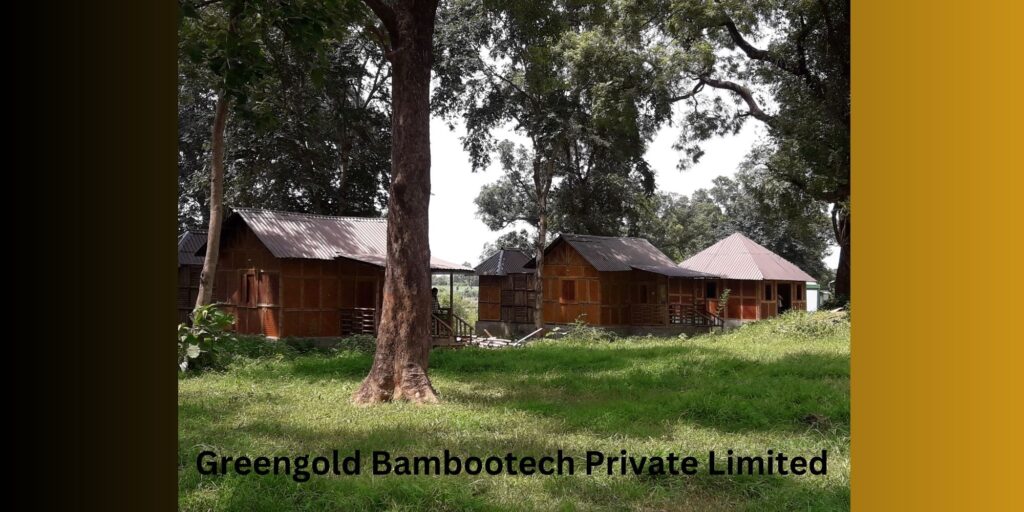
Bamboo Resorts and Eco-Lodges: Bamboo is increasingly used in the construction of eco-resorts and sustainable lodges. These structures showcase the beauty and potential of bamboo in providing unique and environmentally conscious hospitality experiences. Bamboo is used for everything from guest accommodations to common areas, blending luxury with sustainability.
Bamboo Schools and Community Centers: Bamboo’s affordability, sustainability, and quick construction make it an ideal material for building schools and community centers in developing areas. These structures can provide safe and comfortable spaces for education, healthcare, and communal activities, fostering social and economic development.
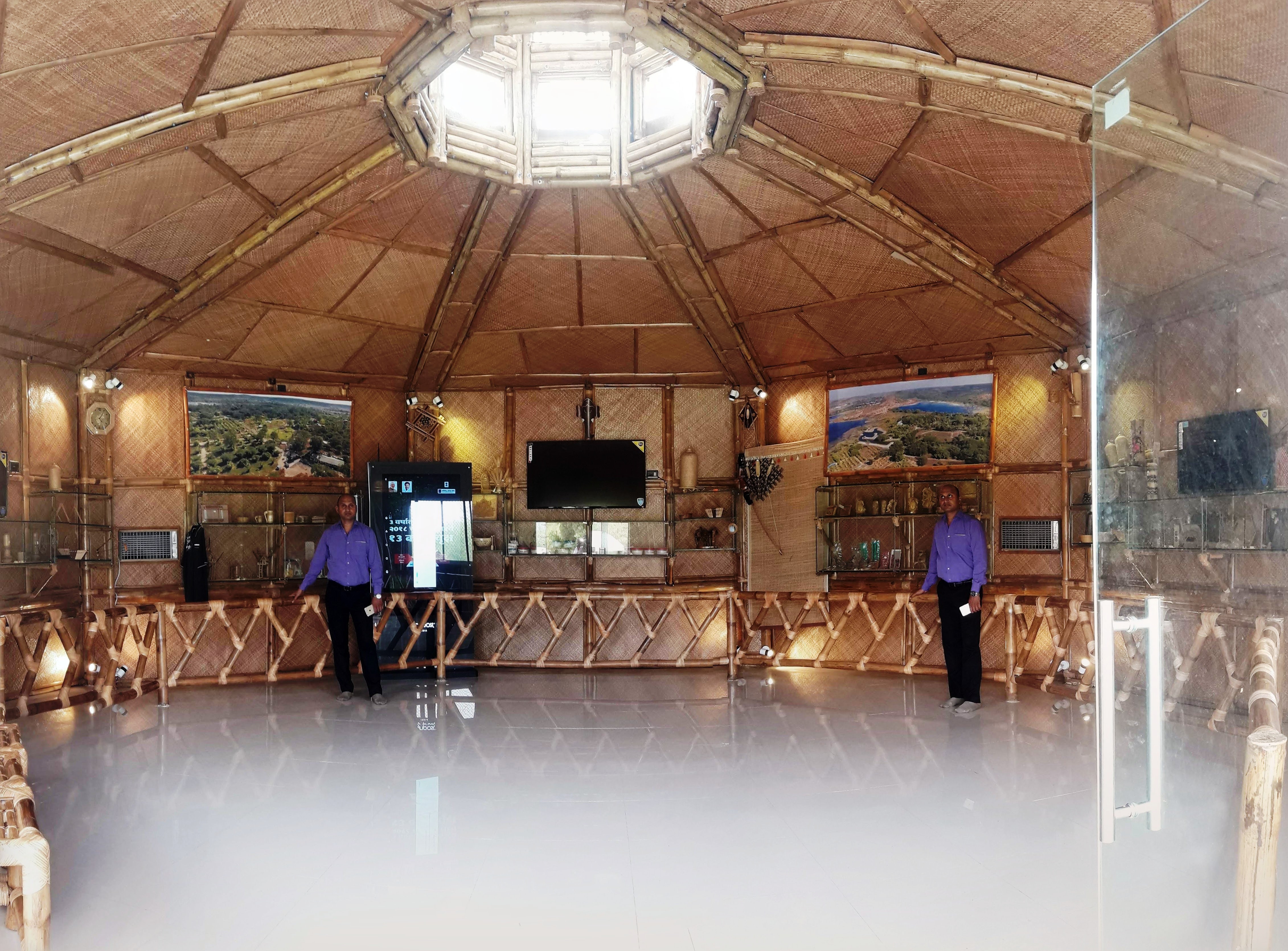
Bamboo Commercial Buildings: Bamboo has also been employed in the construction of commercial buildings such as offices, retail spaces, and exhibition halls. Bamboo’s aesthetic appeal, flexibility in design, and sustainable attributes make it an attractive choice for creating unique and environmentally conscious business environments.
Bamboo Interior Design: Bamboo is not limited to structural elements but can also be incorporated into interior design features. It can be used for flooring, wall paneling, furniture, partitions, and decorative elements, adding a touch of natural elegance to interior spaces.
Bamboo Art Installations: Bamboo’s versatility allows artists and architects to explore its creative potential in art installations and sculptures. These installations often showcase the intricate craftsmanship, flexible forms, and sustainability of bamboo as a medium for artistic expression.
Bamboo structures and architecture highlight the versatility, sustainability, and cultural significance of this remarkable natural material. The integration of bamboo into architectural design not only promotes sustainable construction practices but also celebrates the beauty and potential of this renewable resource.
7. Bamboo flooring in construction
Bamboo flooring is a popular choice in construction due to its sustainability, durability, and unique aesthetic appeal. It offers several advantages and considerations when used as a flooring material. Here’s an overview:
Sustainability: Bamboo is a highly sustainable flooring option as it is a rapidly renewable resource. Unlike traditional hardwood flooring that requires decades to mature, bamboo can be harvested in 3 to 5 years. Additionally, bamboo cultivation helps reduce pressure on natural forests and contributes to carbon sequestration.
Durability: Bamboo flooring is known for its strength and durability. It has a high tensile strength and is resistant to dents and scratches, making it suitable for high-traffic areas. However, the durability can vary depending on the manufacturing process, so it’s important to choose high-quality bamboo flooring from reputable suppliers.
Variety of Styles: Bamboo flooring is available in a wide range of styles, colors, and finishes. Natural bamboo flooring has a light, natural color, but it can also be stained or carbonized to achieve darker tones. Strand-woven bamboo flooring is highly durable and has a distinctive grain pattern. The variety of styles allows for flexibility in matching different design aesthetics.
Installation: Bamboo flooring can be installed using various methods, including floating, nail-down, or glue-down installations. It can be installed on different types of subfloors, including concrete, plywood, or existing flooring. Professional installation is recommended to ensure proper acclimation, moisture control, and a level installation surface.
Maintenance: Bamboo flooring is relatively easy to maintain. Regular sweeping or vacuuming to remove dirt and debris is necessary. It is important to avoid excessive moisture or standing water, as bamboo is susceptible to water damage. Using appropriate cleaning products and following manufacturer guidelines will help maintain the flooring’s appearance and longevity.
Environmental Considerations: While bamboo is a sustainable material, it’s essential to consider the environmental impact of the manufacturing process. Some bamboo flooring may use adhesives or finishes that contain volatile organic compounds (VOCs). Look for flooring with low or no VOCs to minimize indoor air pollution.
Stability: Bamboo flooring expands and contracts with changes in humidity. It is essential to maintain consistent humidity levels within the recommended range to prevent excessive movement and potential issues such as warping or gapping. Proper acclimation before installation and humidity control are crucial for ensuring the stability of bamboo flooring.
Cost: Bamboo flooring is available at various price points, depending on factors such as quality, style, and installation method. While it can be more affordable than some hardwood flooring options, premium bamboo flooring may have a higher price tag. Consider the long-term value and durability when evaluating the cost.
When selecting bamboo flooring, ensure that it is sourced from sustainably managed bamboo forests and meets recognized quality standards. Consulting with flooring professionals or manufacturers can provide guidance on the most suitable type of bamboo flooring for your specific needs and preferences.
Bamboo scaffolding
Bamboo scaffolding is a traditional method of constructing temporary scaffolding structures using bamboo poles. It has been used for centuries in many parts of Asia, particularly in regions where bamboo is abundant. Bamboo scaffolding offers several advantages, including its strength, flexibility, affordability, and sustainability. Here are some key aspects of bamboo scaffolding:
Material: Bamboo poles are the primary material used in bamboo scaffolding. They are lightweight, strong, and readily available in many regions. Bamboo is a flexible material that can withstand heavy loads and provides a stable platform for workers.
Assembly: Bamboo scaffolding is assembled by interlocking and tying together bamboo poles with natural fibers, ropes, or bamboo strips. The bamboo poles are lashed horizontally and vertically to create a sturdy framework. Skilled workers create a secure structure by using various knots and lashing techniques.
Adaptability: Bamboo scaffolding can be easily customized and adapted to fit the shape and size of the construction site. The flexibility of bamboo allows for the construction of scaffolding structures around irregularly shaped buildings or complex architectural features.
Strength and Stability: Bamboo scaffolding is known for its strength and stability. When properly designed and constructed, bamboo scaffolding can support heavy loads and provide a safe working environment for construction workers. The interlocking bamboo poles and secure lashing techniques ensure stability and minimize the risk of collapse.
Safety: While bamboo scaffolding is widely used in many regions, safety precautions must be taken. Regular inspection and maintenance of the bamboo scaffolding are essential to ensure its integrity. Proper training of workers in erecting, dismantling, and working on bamboo scaffolding is crucial to minimize accidents.
Cost-effectiveness: Bamboo scaffolding is cost-effective compared to other scaffolding materials like steel or aluminum. Bamboo is more affordable, widely available, and requires less specialized equipment for assembly and disassembly.
Sustainability: Bamboo scaffolding is considered a sustainable alternative to other construction scaffolding materials. Bamboo is a rapidly renewable resource, and its use reduces the demand for timber or metal scaffolding, contributing to environmental conservation.
It’s important to note that local regulations and safety standards should be followed when using bamboo scaffolding. Additionally, proper training, supervision, and regular inspection are essential to ensure the safety of workers and the stability of the scaffolding structure.